Federal Reserve Building's $2.5 Billion Renovation Raises Questions Amid Economic Uncertainty
 14 Jan 26
Federal Reserve Faced With Backlash Over Expensive Renovation Plans
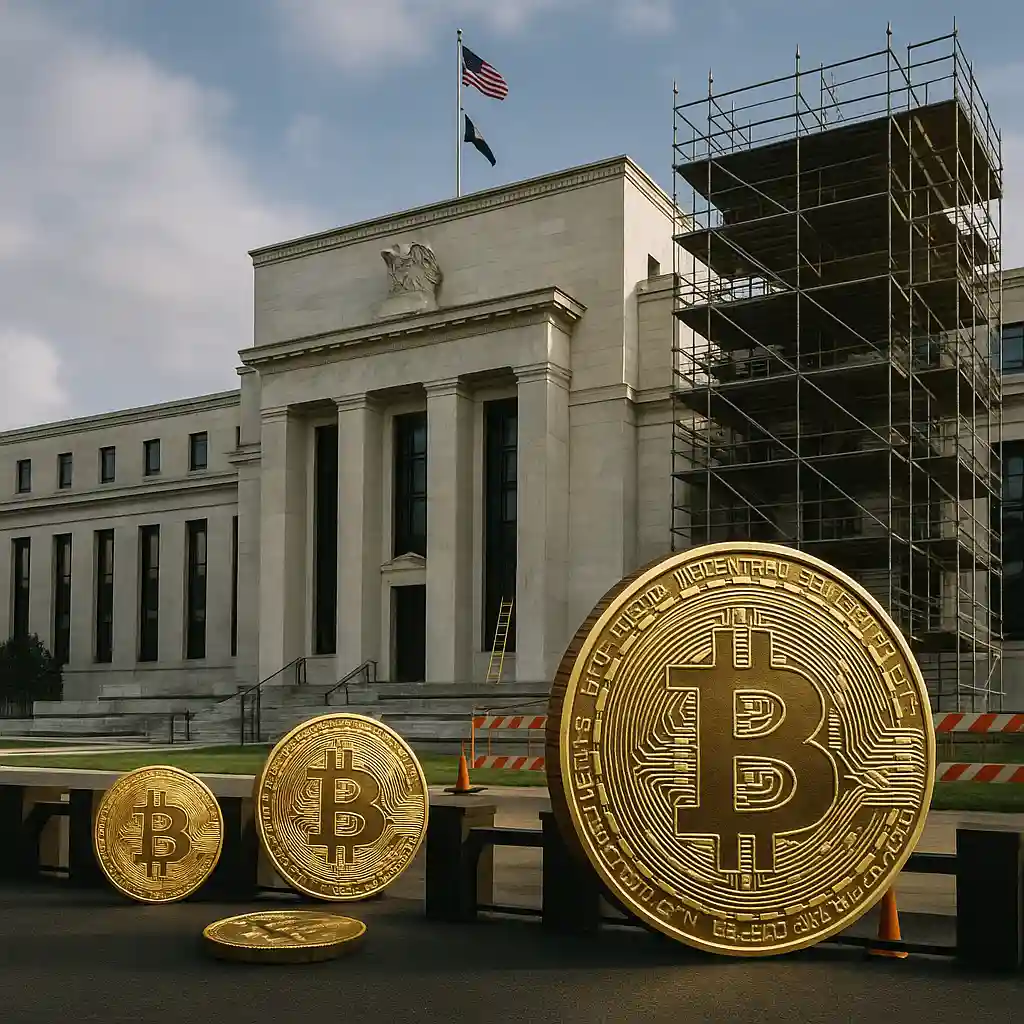
The Federal Reserve Bank of New York is at the center of a debate surrounding a scheduled renovation of its iconic building – a costly project estimated at $2.5 billion. In a period marked by economic volatility and worries about inflation, public interest in the central bank's unprecedented expenditure has grown, prompting questions over necessity, timing, and transparency.
Background: The Significance of the Federal Reserve's Headquarters
Located in Lower Manhattan, the Federal Reserve Bank of New York operates as a central pillar in the U.S. financial system. The institution plays a key role in monetary policy implementation and holds vast gold reserves for foreign governments and central banks. Its headquarters, constructed in the early 20th century, is a landmark both for its architectural distinctiveness and systemic importance.
Details of the Renovation Project
The high-profile renovation is projected to cost $2.5 billion. The overhaul aims to address modern security threats, upgrade outdated infrastructure, and enhance safety features within the century-old building. According to reports, modernization initiatives include fortifying areas to mitigate risks of sophisticated attacks and updating critical systems essential to daily operations.
Scope and Timeline
While complete cost breakdowns remain undisclosed, sources highlight that parts of the massive structure will be refitted with modern materials and technologies to comply with 21st-century standards. The project may span several years, in line with the building's historic significance and the intricacies of operating within an active financial institute.
Public Scrutiny: Timing and Costs Under the Microscope
The timing and magnitude of the renovation have ignited public criticism. With inflation persisting and many Americans feeling the effects of economic headwinds, the Federal Reserve's $2.5 billion expenditure has led observers to question the priorities of one of the nation's key financial authorities. Detractors argue that the undertaking seems out of step with the central bank's image as an institution advocating fiscal prudence and stability.
Transparency Concerns
Critics point out what they perceive as a lack of transparency around the project's justification and budget. Much of the information surrounding the need for substantial security enhancements remains guarded due to the sensitive nature of the Federal Reserve’s operations. Nonetheless, the secrecy has fueled speculation and fueled debate, both in the financial community and among members of the public.
Official Rationale and Security Imperatives
Those close to the Federal Reserve's operations emphasize security as the core impetus for the renovation. The bank is responsible for managing significant financial assets, including vast holdings of U.S. and foreign gold. Officials warn that the risks posed by evolving terrorist methods, cyberattacks, and other contemporary threats demand infrastructure beyond what was envisioned when the building was first erected. Upgrades to safety systems and blast-resistant features are reportedly focal points of the remodeling effort.
Comparative Perspective
Although the $2.5 billion cost stands out, the Federal Reserve is not alone among global central banks in prioritizing fortress-like security standards. As cyber and physical threats mount, comparable upgrades have been undertaken at other financial strongholds around the world. Still, the size and scope of the New York project have made it a lightning rod for media and public commentary.
Reactions From Within the Financial Sector
Within the broader banking and finance industry, reactions have been mixed. Some analysts defend the expense as a prudent investment in safeguarding the core functioning of the country's financial infrastructure. They argue that any breach or compromise could carry incalculable consequences for markets and the wider economy. Others call for greater openness and accountability in public spending, particularly for institutions as consequential as the Federal Reserve.
The Broader Debate: Federal Spending and Accountability
Beyond immediate security concerns, the renovation has reignited discussions about oversight and fiscal responsibility at federal institutions. Proponents of increased scrutiny warn that, with taxpayer confidence strained by economic challenges, initiatives of this scale must be accompanied by clear communication and justifiable documentation of need. Calls for periodic updates and independent audits have surfaced in both traditional media and online forums.
Conclusion: A Catalyst for Continued Debate
The Federal Reserve's $2.5 billion renovation project, conceived as a defensive measure aimed at future-proofing a critical historic building, has found itself at the heart of a growing debate about institutional priorities and public accountability. As updates on the project emerge, they are likely to remain closely watched, serving as a touchstone for discussions about government spending, central bank transparency, and the balancing act between security and stewardship.
Share On
Start Solo Mining For Free!
Go HereRecents

How Regulatory Pressure is Transforming Bitcoin's Market Cycles
Introduction: The Four-Year Cycle No Longer Holds SwayBitcoin has long been reco...

Bitcoin Price Hovers Near $95,000 Amid Regulatory Uncertainty in US Crypto Market
Bitcoin Stalls Below $95K as US Crypto Bill Raises Market ConcernsBitcoin's pric...

Sui Mainnet Faces Unexpected Downtime, Halting On-Chain Transactions
Sui Blockchain Experiences Significant Mainnet DisruptionSui, a rising layer one...

NYC Token Faces Controversy After $2.5 Million Liquidity Withdrawal Sparks Rug Pull Accusations
NYC Token Under Fire as Major Liquidity Withdrawal Triggers Community AlarmThe N...
Federal Reserve Independence: Examining the Debate Around Powell and Monetary Policy
Mounting Pressure on the Federal Reserve and Its LeadershipAs the United States...

Meta Slashes 10% of Metaverse Division Amid Strategic Restructuring
Meta Reduces Reality Labs Headcount as Part of Broader Cost StrategyMeta, the pa...

Standard Chartered Prepares to Launch Crypto Prime Brokerage Platform
Standard Chartered Sets Sights on Crypto Prime Brokerage Service Standard Charte...

MicroStrategy Bolsters Bitcoin Holdings with Significant Purchase of 13,627 BTC
MicroStrategy Expands Bitcoin Holdings with Major AcquisitionMicroStrategy, a bu...

Solana’s Price Rebounds While Network Usage Remains Stagnant
Solana's Price Surges Amidst Subdued Network ActivitySolana (SOL), a leading sma...

Ethereum Explores Distributed Block Building to Strengthen Censorship Resistance
Ethereum Charts Path Toward Greater Censorship ResistanceLeaders within the Ethe...
Previous Posts

Bitcoin’s Four-Year Cycle and Power Law Suggest Predictable Market Movements Ahead
Bitcoin’s Market Movements Aligned with Historic Four-Year CycleThe cryptocurren...

Stablecoin Payment Cards Set for Rapid Growth by 2026, Report Predicts
Stablecoin Cards Poised for Breakthrough by 2026A recent report by crypto invest...

Bitcoin Technical Indicators Signal Bullish Momentum Amid $90K Price Battle
Bitcoin Approaches $90,000 as Technical Indicators Signal Renewed BullishnessBit...

Bitcoin Stays Resilient Near $91,000 as Investors Watch U.S. Jobs Data and Geopolitical Tensions
Bitcoin Holds Steady Around $91,000 Amid Market UncertaintyBitcoin maintained a...

TrueBit Token Plummets Following Exploit and Sudden Token Minting
TrueBit Suffers Exploit: Price Drops as Hacker Mints Millions of TokensThe decen...

Truebit Token Plummets After Alleged $5.9 Million Exploit and Rapid Minting Bug
Truebit Faces Crisis After Multi-Million Dollar Token ExploitThe decentralized c...

XRP Emerges as 2024’s Top Cryptocurrency Contender After Impressive Early Surge
XRP Takes Center Stage in the 2024 Cryptocurrency LandscapeAs 2024 unfolds, XRP...

XRP Emerges as 2024’s Breakout Cryptocurrency, Capturing Investor Attention
XRP Takes Center Stage After a Strong Start in 2024XRP, the digital asset native...

Bitcoin Whales and Sharks Accumulate as Bulls Bank on Price Recovery
Bitcoin Heavyweights Boost Holdings Amid Market CorrectionLarge-scale Bitcoin in...

XRP Climbs Sharply, Nears $2.20 Amid Market Momentum and Rising ETF Inflows
XRP Leads Market Gains as Price Nears Critical $2.20 ThresholdXRP has recently c...