Altcoin Market Faces Headwinds: Signals Point to a Possible 2026 Recovery
 24 Dec 25
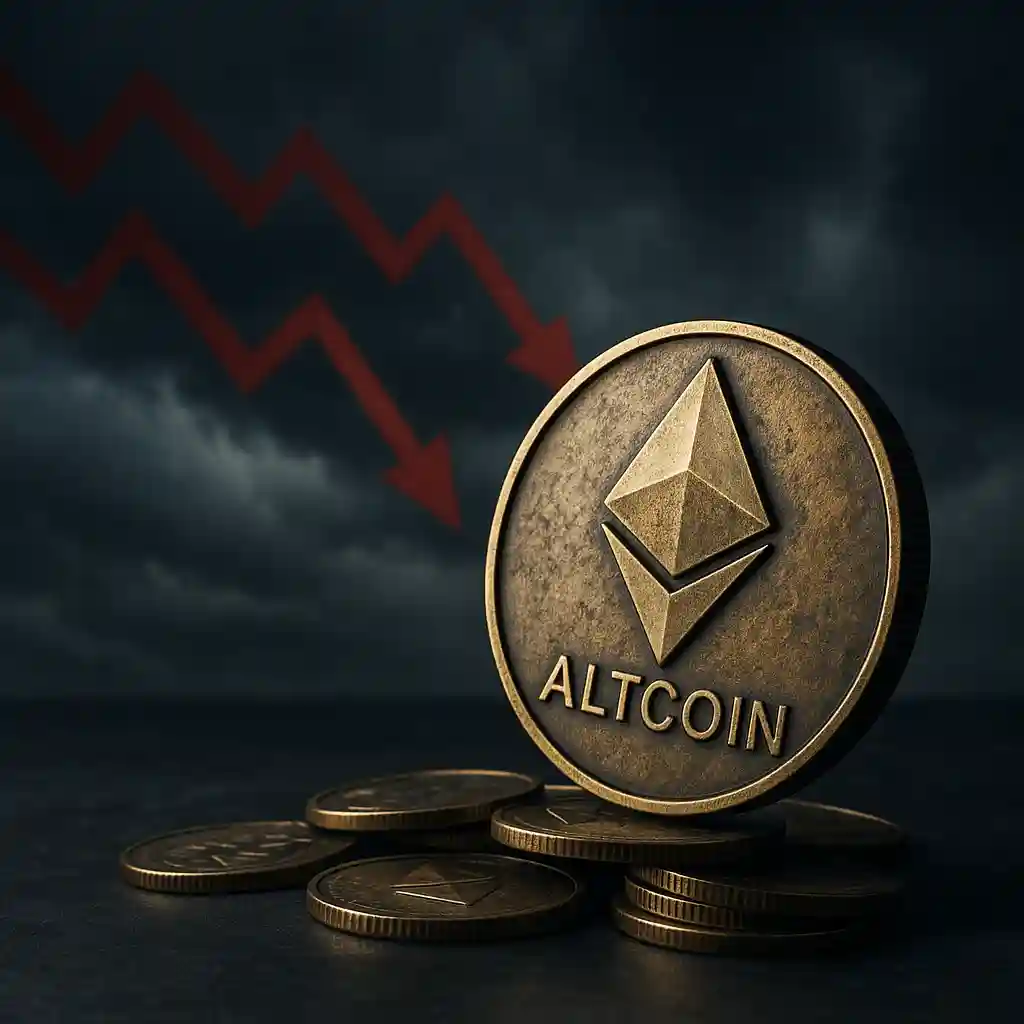
Altcoin Sector Under Pressure: Navigating Market Difficulties
In recent months, the altcoin market has seen significant turbulence, with valuations dropping and investor confidence being tested. This downturn has prompted industry analysts and traders to examine the ongoing challenges within the sector and discuss what might lie ahead for alternative cryptocurrencies. As the bearish trend continues, questions arise about potential catalysts for recovery and the possibility of a revival around 2026.
Current Market Realities for Altcoins
Altcoins — digital currencies outside Bitcoin — are enduring a challenging period. After seeing sharp price appreciation during the last bull run, many have since experienced drastic retracements. The decline has been widespread, affecting both heavyweight projects and newer entrants alike. This slump has reduced trading volumes and stoked concerns over long-term viability for several tokens.
Investor Sentiment and Its Effects
Market psychology plays a pivotal role in shaping asset performance. As altcoin prices retraced, confidence among retail and institutional players waned. Many holders who entered at higher price points now find themselves underwater, leading to increased sell pressure and reduced appetite for riskier assets. This shift has intensified the challenging environment for altcoins, reinforcing a cycle where low prices dampen enthusiasm and participation.
Factors Contributing to the Ongoing Slump
Regulatory Uncertainty
Ambiguity surrounding regulatory frameworks remains a central challenge. Heightened scrutiny from financial authorities, particularly in the United States and Europe, has made both project teams and investors more cautious. This uncertainty has driven some to the sidelines while others seek refuge in established tokens or different asset classes altogether.
Liquidity and Speculation Concerns
With the bear market dragging on, there's a notable decrease in liquidity for many altcoins. Lower trading activity leads to wider spreads and increased volatility, which can deter buyers and accelerate losses for existing holders. Moreover, speculation that fueled rapid gains previously has dissipated, with traders now placing greater emphasis on fundamentals and project viability.
Altcoin Cycles: The Role of Market Timing
Historical analysis shows that the altcoin sector often moves in multi-year cycles, alternating between boom and bust phases. During bull runs, capital flows into speculative assets in search of outsized gains, but these periods are typically followed by long consolidation or decline. The current phase mirrors downturns seen in prior cycles, hinting that patience and perspective are essential for those awaiting a recovery.
The Outlook: Is a 2026 Revival on the Horizon?
Some market strategists point to larger macroeconomic cycles and previous crypto bull runs in building their thesis for an altcoin resurgence by 2026. If history repeats itself, altcoins could rebound in a similar timeframe to past recoveries—often two to three years after a major drawdown. The premise is that investor accumulation during periods of low prices sets the stage for the next uptrend, provided the broader crypto environment remains resilient.
What Could Trigger the Next Altcoin Upswing?
Technical and Ecosystem Developments
Innovations such as network upgrades, successful real-world adoption, and improvements in blockchain scalability and usability could provide fresh impetus for selected altcoins. Platforms that deliver on their technical promises and garner developer and user adoption might outperform peers in the next cycle.
Economic and Regulatory Shifts
Macro factors, including monetary policy and regulatory clarity, will likely shape the fortunes of the altcoin market. Policy decisions that foster innovation and offer transparent guidance could boost confidence and participation. Conversely, stringent regulations or adverse economic conditions might delay any broad-based recovery.
Risk Factors and Considerations for Market Participants
While speculation about a possible 2026 revival grows, investors are urged to remain mindful of inherent risks. The altcoin landscape is crowded, with many projects vying for user attention and capital. Historically, only a fraction of tokens withstand prolonged downturns and emerge stronger. Diligence, diversification, and a focus on fundamental analysis remain crucial for avoiding pitfalls during turbulent periods.
Conclusion: Cautious Optimism Amid Persistent Challenges
The altcoin market continues to grapple with significant headwinds, from regulatory ambiguity to waning investor appetite. Nevertheless, periodic cycles in digital assets hint that a recovery is possible in coming years, with the potential for a turning point by 2026. Standout projects with strong technological propositions and clear utility may lead the next phase of growth, though risk and volatility are expected to remain defining features of the sector. Those considering participation should approach with careful analysis and a long-term perspective.
Share On
Start Solo Mining For Free!
Go HereRecents

How Regulatory Pressure is Transforming Bitcoin's Market Cycles
Introduction: The Four-Year Cycle No Longer Holds SwayBitcoin has long been reco...

Bitcoin Price Hovers Near $95,000 Amid Regulatory Uncertainty in US Crypto Market
Bitcoin Stalls Below $95K as US Crypto Bill Raises Market ConcernsBitcoin's pric...

Sui Mainnet Faces Unexpected Downtime, Halting On-Chain Transactions
Sui Blockchain Experiences Significant Mainnet DisruptionSui, a rising layer one...

NYC Token Faces Controversy After $2.5 Million Liquidity Withdrawal Sparks Rug Pull Accusations
NYC Token Under Fire as Major Liquidity Withdrawal Triggers Community AlarmThe N...
Federal Reserve Building's $2.5 Billion Renovation Raises Questions Amid Economic Uncertainty
Federal Reserve Faced With Backlash Over Expensive Renovation PlansThe Federal R...
Federal Reserve Independence: Examining the Debate Around Powell and Monetary Policy
Mounting Pressure on the Federal Reserve and Its LeadershipAs the United States...

Meta Slashes 10% of Metaverse Division Amid Strategic Restructuring
Meta Reduces Reality Labs Headcount as Part of Broader Cost StrategyMeta, the pa...

Standard Chartered Prepares to Launch Crypto Prime Brokerage Platform
Standard Chartered Sets Sights on Crypto Prime Brokerage Service Standard Charte...

MicroStrategy Bolsters Bitcoin Holdings with Significant Purchase of 13,627 BTC
MicroStrategy Expands Bitcoin Holdings with Major AcquisitionMicroStrategy, a bu...

Solana’s Price Rebounds While Network Usage Remains Stagnant
Solana's Price Surges Amidst Subdued Network ActivitySolana (SOL), a leading sma...
Previous Posts

TuringBitchain (TBC): Advancing the Future of Peer-to-Peer Electronic Cash
Introduction to TuringBitchain's AmbitionThe evolution of blockchain technology...
Bitcoin Eyes $70,000: Market Dynamics Suggest a Move May Be Imminent
Bitcoin Approaches a Pivotal Juncture Amid $70,000 Price LoomAs Bitcoin holds st...

Robert Kiyosaki Sounds Alarm on Hyperinflation, Endorses Bitcoin as Key Hedge
Robert Kiyosaki Cautions Public on Looming Threat of HyperinflationRenowned fina...

Beyond Trading: Uncovering Crypto’s Revenue Frontiers for 2026
The Next Chapter: Crypto Revenue Beyond TradingThe cryptocurrency landscape has...

Bitcoin Demand Slows After Surge, Suggesting Bear Market Risks Ahead
Bitcoin Demand Retreats Following Intense GrowthAfter a period of robust demand...

HLS Token Debuts on Leading Crypto Exchanges, Ushering in a New Era for Blockchain Innovation
Introduction: HLS Token Makes Strong Market EntranceThe rapidly evolving cryptoc...

Ethereum Exchange Holdings Hit All-Time Low Amid Market Shifts
Ethereum Exchange Balances Reach Record LowsRecent data reveals that the supply...

Citi Predicts Bitcoin Could Soar to $143,000 Amid Growing Mainstream Adoption
Citi Analysts Project Substantial Growth for BitcoinRecent research from Citi po...

Growing Interest in XRP ETFs Linked to Rising Demand and Crypto Awareness
Increasing Demand Fuels Speculation Around XRP ETFsThe conversation around excha...

Fold Card Now Available Nationwide as BitGo Secures OCC Banking Charter
Fold Card Launches Across All US States After BitGo's Regulatory MilestoneFold,...
Next Posts

Ethereum Explores Distributed Block Building to Strengthen Censorship Resistance
Ethereum Charts Path Toward Greater Censorship ResistanceLeaders within the Ethe...
Bitcoin’s Four-Year Cycle and Power Law Suggest Predictable Market Movements Ahead
Bitcoin’s Market Movements Aligned with Historic Four-Year CycleThe cryptocurren...

Stablecoin Payment Cards Set for Rapid Growth by 2026, Report Predicts
Stablecoin Cards Poised for Breakthrough by 2026A recent report by crypto invest...

Bitcoin Technical Indicators Signal Bullish Momentum Amid $90K Price Battle
Bitcoin Approaches $90,000 as Technical Indicators Signal Renewed BullishnessBit...

Bitcoin Stays Resilient Near $91,000 as Investors Watch U.S. Jobs Data and Geopolitical Tensions
Bitcoin Holds Steady Around $91,000 Amid Market UncertaintyBitcoin maintained a...

TrueBit Token Plummets Following Exploit and Sudden Token Minting
TrueBit Suffers Exploit: Price Drops as Hacker Mints Millions of TokensThe decen...

Truebit Token Plummets After Alleged $5.9 Million Exploit and Rapid Minting Bug
Truebit Faces Crisis After Multi-Million Dollar Token ExploitThe decentralized c...

XRP Emerges as 2024’s Top Cryptocurrency Contender After Impressive Early Surge
XRP Takes Center Stage in the 2024 Cryptocurrency LandscapeAs 2024 unfolds, XRP...

XRP Emerges as 2024’s Breakout Cryptocurrency, Capturing Investor Attention
XRP Takes Center Stage After a Strong Start in 2024XRP, the digital asset native...

Bitcoin Whales and Sharks Accumulate as Bulls Bank on Price Recovery
Bitcoin Heavyweights Boost Holdings Amid Market CorrectionLarge-scale Bitcoin in...