Dogecoin Celebrates 12 Years: How the Meme Coin Became a Crypto Icon
 07 Dec 25
Dogecoin Turns 12: The Enduring Legacy of a Meme Coin Pioneer
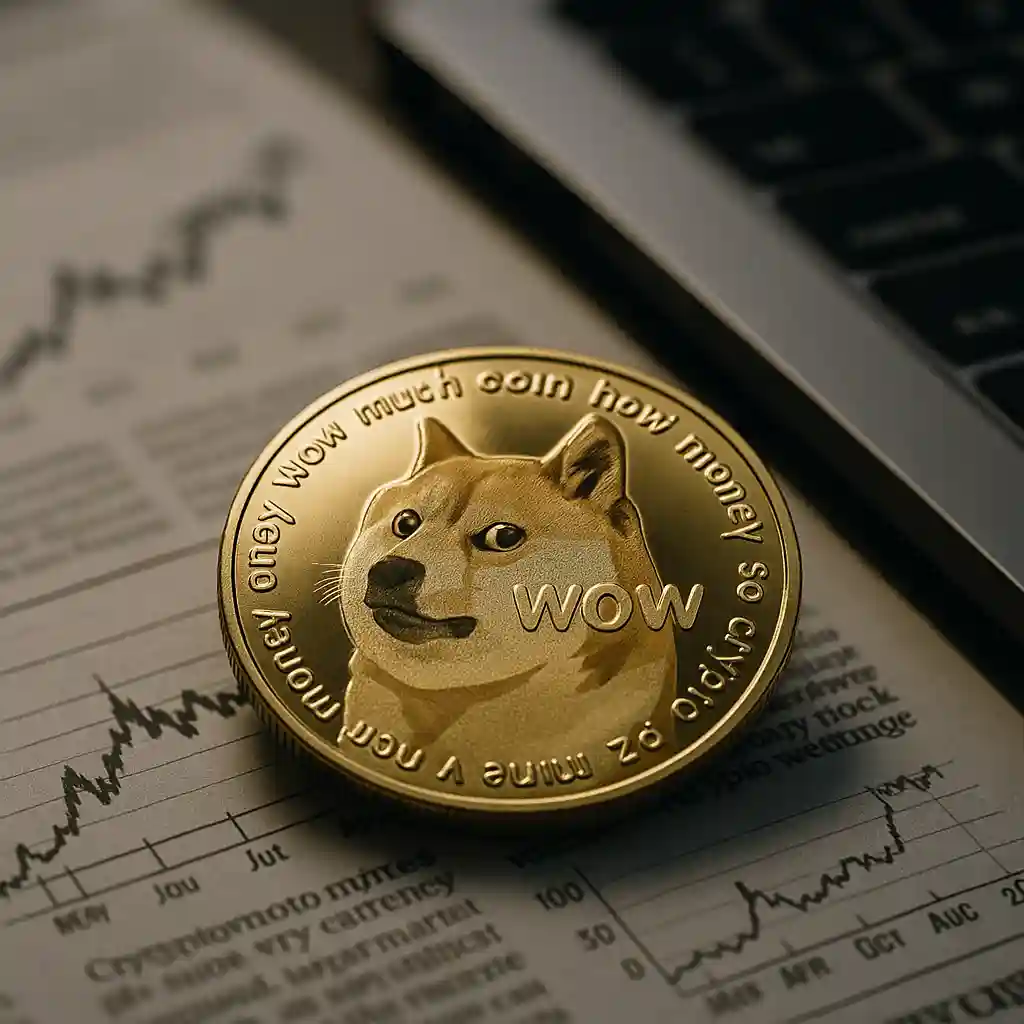
Dogecoin, one of the most recognizable names in the cryptocurrency market, recently commemorated its 12th anniversary. Launched in December 2013 as a playful take on Bitcoin, Dogecoin has survived numerous market cycles, evolving from an internet joke to a symbol of meme culture within digital finance. The coin's journey highlights the unpredictable nature of cryptocurrencies, merging humor, community, and serious market impact over more than a decade.
Origins and Early Traction
Dogecoin was invented by software engineers Billy Markus and Jackson Palmer, aiming to satirize the rapidly expanding crypto industry. The coin’s branding was inspired by the prehistoric "Doge" meme, which featured a Shiba Inu accompanied by comedic, misspelled internal dialogues. Rather than a serious financial product, Dogecoin was intended as a lighthearted, accessible alternative to Bitcoin, leveraging humor to engage a wider audience.
The simplicity of Dogecoin’s blockchain network and its approachable image contributed to its swift popularity. Within days of its launch, Dogecoin saw trading volumes that rivaled established cryptocurrencies. The early Dogecoin community distinguished itself through acts of generosity, such as fundraising campaigns for charitable causes and even sponsoring a NASCAR driver. These initiatives fostered a sense of inclusivity and popularity beyond crypto insiders.
Dogecoin’s Role in Shaping Meme Coin Culture
Dogecoin did not just pioneer its genre; it set the tone for the entire meme coin movement. Unlike most digital assets, which emphasize technical sophistication and financial innovation, Dogecoin’s main value proposition was its culture and aesthetic. This ethos has since been emulated by subsequent tokens, fueling a wave of meme-inspired coins aimed at capturing the viral energy of Dogecoin.
The coin has inspired countless imitations, each hoping to replicate Dogecoin’s magic formula of relatability and online buzz. However, few have been able to match the original’s wide appeal or the cohesion of its global community.
Celebrity Endorsements and Viral Moments
Dogecoin’s history is marked by periods of intense public interest, often triggered by endorsements from influential figures. Perhaps the most notable supporter is Elon Musk, the CEO of Tesla and SpaceX. Musk’s public statements, tweets, and memes referencing Dogecoin have repeatedly led to surges in its price, further cementing Dogecoin's place in pop culture and the wider crypto discourse.
These viral episodes underscore the coin’s connection to social media trends, with Dogecoin often experiencing spikes in trading volume and online activity following high-profile mentions. The coin remains a poster child for the power of internet culture in shaping financial markets.
Market Performance Through Booms and Busts
Like much of the crypto market, Dogecoin's price has experienced dramatic fluctuations. The coin's early years were marked by modest valuations, but it storms back into the spotlight during bull runs. In 2021, Dogecoin skyrocketed over 10,000% within months, drawing new waves of retail investors and speculation about its long-term prospects.
Despite its meteoric rises, Dogecoin’s value has also retreated during bearish phases. The current market climate is characterized by heightened volatility and cautious investor sentiment, with meme coins and altcoins seeing mixed fortunes. Still, Dogecoin’s longevity and resilience set it apart from many of its short-lived peers.
Dogecoin in Contemporary Crypto Markets
Current Status
As it marks its twelfth year, Dogecoin holds its place among the top cryptocurrencies by market capitalization. Its strong community, established brand, and widespread recognition help maintain its relevance, even as new meme coins and competitors emerge. Markets continue to see significant trading volumes, testifying to Dogecoin's ongoing influence.
Challenging Landscape
The modern crypto ecosystem is vastly more crowded compared to Dogecoin's early days. New tokens launch frequently, each seeking to capture attention through novel meme concepts or ambitious technical upgrades. Despite relentless competition, Dogecoin persists as the standard-bearer for meme coins, its story woven into the broader narrative of cryptocurrency adoption.
The Power of Community and Adaptation
Dogecoin’s lasting appeal stems from its vibrant and often whimsical user base. Over the years, the community’s collaborative spirit and dedication have been instrumental in keeping the coin afloat through technical upgrades and advocacy. Community members have initiated projects to increase utility, fund development, and promote wider adoption, ensuring that Dogecoin is more than just a joke but an evolving digital asset ecosystem.
Multiple forks and updates have kept the Dogecoin network secure and aligned with broader crypto industry standards, offering continued confidence for both users and traders.
Future Prospects: What Lies Ahead for Dogecoin?
Looking ahead, the outlook for Dogecoin depends on a combination of market sentiment, community engagement, and broader trends in cryptocurrency regulation and mainstream adoption. Its open-source development and decentralized ethos may provide resilience in the face of regulatory challenges, while ongoing community-driven projects could add value and utility to the network.
Dogecoin's position as the original meme coin, reinforced by its cultural status and relatively large market cap, may ensure continued recognition even as new trends reshape the crypto landscape. Whether Dogecoin will once again experience meteoric price increases or cement its place as a fixture among alternative digital assets remains to be seen, but its impact on the world of cryptocurrency is undeniable.
Conclusion: A Dozen Years of Digital Folklore
From an internet parody to a globally recognized digital asset, Dogecoin’s first twelve years capture the essence of cryptocurrency’s intersection with internet culture. The coin’s resilience, community focus, and rare ability to inspire both laughter and loyalty distinguish it in an industry defined by rapid change. As Dogecoin enters its next chapter, its story continues to demonstrate the unpredictable—and often entertaining—nature of crypto innovation.
Share On
Start Solo Mining For Free!
Go HereRecents

How Regulatory Pressure is Transforming Bitcoin's Market Cycles
Introduction: The Four-Year Cycle No Longer Holds SwayBitcoin has long been reco...

Bitcoin Price Hovers Near $95,000 Amid Regulatory Uncertainty in US Crypto Market
Bitcoin Stalls Below $95K as US Crypto Bill Raises Market ConcernsBitcoin's pric...

Sui Mainnet Faces Unexpected Downtime, Halting On-Chain Transactions
Sui Blockchain Experiences Significant Mainnet DisruptionSui, a rising layer one...

NYC Token Faces Controversy After $2.5 Million Liquidity Withdrawal Sparks Rug Pull Accusations
NYC Token Under Fire as Major Liquidity Withdrawal Triggers Community AlarmThe N...

Federal Reserve Building's $2.5 Billion Renovation Raises Questions Amid Economic Uncertainty
Federal Reserve Faced With Backlash Over Expensive Renovation PlansThe Federal R...

Federal Reserve Independence: Examining the Debate Around Powell and Monetary Policy
Mounting Pressure on the Federal Reserve and Its LeadershipAs the United States...

Meta Slashes 10% of Metaverse Division Amid Strategic Restructuring
Meta Reduces Reality Labs Headcount as Part of Broader Cost StrategyMeta, the pa...

Standard Chartered Prepares to Launch Crypto Prime Brokerage Platform
Standard Chartered Sets Sights on Crypto Prime Brokerage Service Standard Charte...

MicroStrategy Bolsters Bitcoin Holdings with Significant Purchase of 13,627 BTC
MicroStrategy Expands Bitcoin Holdings with Major AcquisitionMicroStrategy, a bu...

Solana’s Price Rebounds While Network Usage Remains Stagnant
Solana's Price Surges Amidst Subdued Network ActivitySolana (SOL), a leading sma...
Previous Posts

Dogecoin Celebrates Twelve Years: The Enduring Reign of the Meme Coin Pioneer
Dogecoin Turns Twelve: Reflecting on a Crypto PhenomenonDogecoin, the original m...

Ripple Alerts XRP Community to Spike in Crypto Scams During Holiday Season
Ripple Sounds Alarm on Rising Crypto Scams Targeting XRP Users During HolidaysWi...

Bitmine Accelerates ETH Holdings with $19.9M Purchase Amid Smart Money Moves
Bitmine Invests $19.9 Million in Ethereum as Market Momentum BuildsIn a signific...

Bitcoin Faces Behavioral Shift: $97K Needed to Reignite Optimism Among Newest Long-Term Holders
Bitcoin's Road to Restoring Trust Among Newest Long-Term HoldersBitcoin has expe...

Italy Begins Comprehensive Assessment of Cryptocurrency Risks
Italy Embarks on Thorough Crypto Risk EvaluationItalian authorities have commenc...

XRP Faces Steepest Sentiment Decline Amid Market Unrest
XRP Sentiment Plummets to Multi-Month LowAmidst intensifying volatility in the b...

Malaysia Targets Illegal Bitcoin Mining Amidst $1.1 Billion Power Theft Scandal
Malaysia Intensifies Crackdown on Bitcoin Miners Over Massive Electricity TheftA...

Babylon and Aave Partner to Launch Bitcoin-Backed Lending for DeFi
Babylon and Aave Collaborate to Enable Native Bitcoin Lending in DeFi Decentrali...

Connecticut Cracks Down on Crypto and Prediction Markets: Robinhood, Crypto.com, and Kalshi Ordered to Cease Operations
Connecticut Issues Cease-and-Desist Orders to Crypto and Prediction Market Platf...

Bank of America Advises Wealth Clients: Consider Up to 4% in Bitcoin and Crypto Holdings
Bank of America Urges Diversified Portfolio Allocation Including BitcoinIn a not...
Next Posts

Ethereum Explores Distributed Block Building to Strengthen Censorship Resistance
Ethereum Charts Path Toward Greater Censorship ResistanceLeaders within the Ethe...

Bitcoin’s Four-Year Cycle and Power Law Suggest Predictable Market Movements Ahead
Bitcoin’s Market Movements Aligned with Historic Four-Year CycleThe cryptocurren...

Stablecoin Payment Cards Set for Rapid Growth by 2026, Report Predicts
Stablecoin Cards Poised for Breakthrough by 2026A recent report by crypto invest...

Bitcoin Technical Indicators Signal Bullish Momentum Amid $90K Price Battle
Bitcoin Approaches $90,000 as Technical Indicators Signal Renewed BullishnessBit...

Bitcoin Stays Resilient Near $91,000 as Investors Watch U.S. Jobs Data and Geopolitical Tensions
Bitcoin Holds Steady Around $91,000 Amid Market UncertaintyBitcoin maintained a...

TrueBit Token Plummets Following Exploit and Sudden Token Minting
TrueBit Suffers Exploit: Price Drops as Hacker Mints Millions of TokensThe decen...

Truebit Token Plummets After Alleged $5.9 Million Exploit and Rapid Minting Bug
Truebit Faces Crisis After Multi-Million Dollar Token ExploitThe decentralized c...

XRP Emerges as 2024’s Top Cryptocurrency Contender After Impressive Early Surge
XRP Takes Center Stage in the 2024 Cryptocurrency LandscapeAs 2024 unfolds, XRP...

XRP Emerges as 2024’s Breakout Cryptocurrency, Capturing Investor Attention
XRP Takes Center Stage After a Strong Start in 2024XRP, the digital asset native...

Bitcoin Whales and Sharks Accumulate as Bulls Bank on Price Recovery
Bitcoin Heavyweights Boost Holdings Amid Market CorrectionLarge-scale Bitcoin in...