JPMorgan Closes Accounts Linked to High-Risk Stablecoin Firms Kontigo and BlindPay
 27 Dec 25
JPMorgan Terminates Banking Services for Kontigo and BlindPay Amid Risk Concerns
In a high-profile move highlighting the growing friction between traditional finance and the burgeoning stablecoin sector, JPMorgan Chase has reportedly frozen and shut down bank accounts associated with two prominent stablecoin startups, Kontigo and BlindPay. The decision, attributed to increased compliance and anti-money laundering (AML) scrutiny, has reignited debate around the challenges crypto firms face in accessing mainstream financial services.
Background: Ongoing Scrutiny of Stablecoin Businesses
The closure of accounts belonging to Kontigo and BlindPay comes as global regulators and major banks intensify oversight of crypto-linked activities. Stablecoins—digital tokens pegged to fiat currencies—have come under mounting scrutiny over concerns surrounding financial crime risks and the potential for regulatory arbitrage. Banks like JPMorgan are responding by tightening internal controls on clients operating in this rapidly evolving sector.
Details on the Account Closures
According to industry sources, JPMorgan notified both Kontigo and BlindPay that their bank accounts would be closed, citing their classification as ‘high risk’ businesses. The firms are said to have been given only a brief window to withdraw funds and find alternative banking arrangements. While no evidence of specific wrongdoing by either startup has surfaced, the move underscores how traditional financial institutions are increasingly cautious about onboarding or maintaining relationships with companies associated with crypto assets and stablecoins.
JPMorgan’s Motivations and Compliance Imperatives
JPMorgan’s action aligns with a broader industry trend following increased regulatory attention by agencies such as the U.S. Treasury’s Financial Crimes Enforcement Network (FinCEN) and equivalent bodies globally. The bank’s risk division reportedly flagged Kontigo and BlindPay for potential vulnerabilities related to AML and Know Your Customer (KYC) compliance.
Heightened Regulatory Pressure
Financial institutions face the risk of heavy penalties if found to be facilitating money laundering, terrorism financing, or sanctions violations. As a result, they have implemented stricter standards and greater scrutiny of clients operating in crypto-finance, particularly those involving stablecoins, which can be difficult to track across platforms and jurisdictions.
Industry Reaction: Concerns Over Financial Exclusion
The banks’ decision has drawn strong reactions from the affected startups and the broader crypto community. Executives at Kontigo and BlindPay reportedly expressed frustration over the lack of clarity from traditional banks when it comes to servicing licensed crypto businesses. Developer John Paul Smith, who is familiar with the accounts in question, stated that cutting off regulated businesses “without proof of crime or violation” risks driving innovation offshore and discouraging transparency within the sector.
Balance Between Risk Management and Innovation
Critics argue that such blanket de-risking strategies by large financial institutions could stifle legitimate innovation in the digital asset space and force companies to seek less reputable or poorly regulated banking alternatives, ultimately creating more—not fewer—risks for the global financial system.
Wider Implications for the Crypto Industry
Kontigo and BlindPay’s predicament highlights ongoing challenges for crypto enterprises seeking reliable access to banking infrastructure. Despite increasing efforts by industry players to comply with evolving AML, KYC, and regulatory requirements, major global banks remain wary of potential reputational and regulatory risks. This reluctance has, in some cases, resulted in legitimate businesses being treated with suspicion or denied basic banking services.
Search for Banking Alternatives
In the wake of these account closures, affected firms have reportedly begun seeking alternative banking partners, including smaller regional banks and fintech platforms that may have a higher risk appetite or more flexible onboarding procedures for digital asset companies.
Regulatory Outlook: Bridging the Gap Between Banks and Crypto
The episode underscores the urgent need for clearer guidelines and open dialogue between regulators, banks, and crypto startups. Industry associations and advocacy groups have called for frameworks that enable risk-based, rather than categorical, approaches—balancing regulatory objectives with the need to foster financial innovation.
As regulatory frameworks for digital assets continue to take shape around the world, it remains to be seen whether financial institutions will evolve their risk models to accommodate compliant crypto businesses, or continue to classify segments of the industry as too risky to serve.
Conclusion: Financial Sector at an Inflection Point
JPMorgan’s decision to deactivate the accounts of Kontigo and BlindPay sends a clear message about the challenges of integrating crypto startups into the traditional financial system. As stablecoins and digital assets become more prevalent, the need for collaborative solutions—combining robust compliance with support for innovation—will only increase. The outcome of such high-profile cases could set important precedents for the future of banking in the age of digital finance.
Share On
Start Solo Mining For Free!
Go HereRecents

How Regulatory Pressure is Transforming Bitcoin's Market Cycles
Introduction: The Four-Year Cycle No Longer Holds SwayBitcoin has long been reco...

Bitcoin Price Hovers Near $95,000 Amid Regulatory Uncertainty in US Crypto Market
Bitcoin Stalls Below $95K as US Crypto Bill Raises Market ConcernsBitcoin's pric...

Sui Mainnet Faces Unexpected Downtime, Halting On-Chain Transactions
Sui Blockchain Experiences Significant Mainnet DisruptionSui, a rising layer one...

NYC Token Faces Controversy After $2.5 Million Liquidity Withdrawal Sparks Rug Pull Accusations
NYC Token Under Fire as Major Liquidity Withdrawal Triggers Community AlarmThe N...

Federal Reserve Building's $2.5 Billion Renovation Raises Questions Amid Economic Uncertainty
Federal Reserve Faced With Backlash Over Expensive Renovation PlansThe Federal R...
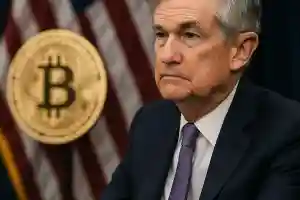
Federal Reserve Independence: Examining the Debate Around Powell and Monetary Policy
Mounting Pressure on the Federal Reserve and Its LeadershipAs the United States...

Meta Slashes 10% of Metaverse Division Amid Strategic Restructuring
Meta Reduces Reality Labs Headcount as Part of Broader Cost StrategyMeta, the pa...

Standard Chartered Prepares to Launch Crypto Prime Brokerage Platform
Standard Chartered Sets Sights on Crypto Prime Brokerage Service Standard Charte...

MicroStrategy Bolsters Bitcoin Holdings with Significant Purchase of 13,627 BTC
MicroStrategy Expands Bitcoin Holdings with Major AcquisitionMicroStrategy, a bu...

Solana’s Price Rebounds While Network Usage Remains Stagnant
Solana's Price Surges Amidst Subdued Network ActivitySolana (SOL), a leading sma...
Previous Posts

Bitcoin Faces Pressure as Technical Indicators and On-Chain Data Signal Possible Retreat to $85,000
Bitcoin’s Short-Term Outlook Shadowed by Bearish TechnicalsBitcoin’s recent mark...

Ethereum’s Total Value Locked Projected to Surge by 2026, Says SharpLink CEO
Ethereum's TVL Expected to Soar by 2026The co-founder and CEO of SharpLink, Rob...

Expert Insights: Essential Guidance for Newcomers and Veterans in the Evolving Crypto Landscape
Introduction: Crypto's Rapid Evolution Demands New StrategiesThe world of crypto...

Bitcoin Surges to Record Highs Despite Thin Liquidity and ETF Outflows
Bitcoin Price Soars to All-Time High Amid Market Turbulence Bitcoin broke throug...

Vitalik Buterin: Grok AI Adds Balance to Elon Musk's X Platform
Vitalik Buterin Commends Grok AI's Impact on X Platform GovernanceEthereum co-fo...

Pudgy Penguins NFT Characters Shine on Las Vegas Sphere for Holiday Week
Pudgy Penguins Take Center Stage at Las Vegas Sphere During Holiday SeasonThe wo...

US Bitcoin ETFs See $825 Million Outflow Amid Market Volatility
Significant Outflows Hit US Bitcoin ETFs Amid Price SlumpBitcoin exchange-traded...

Altcoin Market Faces Headwinds: Signals Point to a Possible 2026 Recovery
Altcoin Sector Under Pressure: Navigating Market Difficulties In recent months,...

TuringBitchain (TBC): Advancing the Future of Peer-to-Peer Electronic Cash
Introduction to TuringBitchain's AmbitionThe evolution of blockchain technology...

Bitcoin Eyes $70,000: Market Dynamics Suggest a Move May Be Imminent
Bitcoin Approaches a Pivotal Juncture Amid $70,000 Price LoomAs Bitcoin holds st...
Next Posts

Ethereum Explores Distributed Block Building to Strengthen Censorship Resistance
Ethereum Charts Path Toward Greater Censorship ResistanceLeaders within the Ethe...
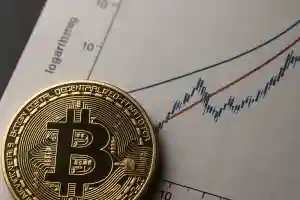
Bitcoin’s Four-Year Cycle and Power Law Suggest Predictable Market Movements Ahead
Bitcoin’s Market Movements Aligned with Historic Four-Year CycleThe cryptocurren...

Stablecoin Payment Cards Set for Rapid Growth by 2026, Report Predicts
Stablecoin Cards Poised for Breakthrough by 2026A recent report by crypto invest...

Bitcoin Technical Indicators Signal Bullish Momentum Amid $90K Price Battle
Bitcoin Approaches $90,000 as Technical Indicators Signal Renewed BullishnessBit...

Bitcoin Stays Resilient Near $91,000 as Investors Watch U.S. Jobs Data and Geopolitical Tensions
Bitcoin Holds Steady Around $91,000 Amid Market UncertaintyBitcoin maintained a...

TrueBit Token Plummets Following Exploit and Sudden Token Minting
TrueBit Suffers Exploit: Price Drops as Hacker Mints Millions of TokensThe decen...

Truebit Token Plummets After Alleged $5.9 Million Exploit and Rapid Minting Bug
Truebit Faces Crisis After Multi-Million Dollar Token ExploitThe decentralized c...

XRP Emerges as 2024’s Top Cryptocurrency Contender After Impressive Early Surge
XRP Takes Center Stage in the 2024 Cryptocurrency LandscapeAs 2024 unfolds, XRP...

XRP Emerges as 2024’s Breakout Cryptocurrency, Capturing Investor Attention
XRP Takes Center Stage After a Strong Start in 2024XRP, the digital asset native...

Bitcoin Whales and Sharks Accumulate as Bulls Bank on Price Recovery
Bitcoin Heavyweights Boost Holdings Amid Market CorrectionLarge-scale Bitcoin in...