Pump.fun Co-Founder Refutes $436M Cashout Claims, Cites Standard Treasury Practices
 25 Nov 25
Pump.fun Founder Rebuts Multimillion-Dollar Cashout Accusations
The decentralized finance sector faced fresh controversy as allegations surfaced that a Pump.fun founder had personally cashed out over $436 million in Solana, raising concerns within the crypto community. Pump.fun's co-founder has publicly denied these accusations, clarifying the movement of funds as routine treasury management rather than personal profiteering.
Allegations Spark Concerns in Solana Ecosystem
Pump.fun, a prominent Solana-based meme coin launchpad, recently drew public scrutiny after social media posts and on-chain data suggested a founder had withdrawn approximately 113,000 Solana (SOL), equivalent to just under $436 million at current market prices. The allegations suggested that the co-founder may have pocketed platform user deposits, creating confusion among users and observers about the project's financial integrity.
The claims came amid heightened attention to transparency and trust issues within the broader decentralized finance (DeFi) movement. Social media platforms circulated screenshots and on-chain evidence purportedly showing the transfer of large sums of SOL to a wallet believed to be controlled by a Pump.fun founder.
Official Response: Treasury Management, Not Personal Withdrawal
Pump.fun’s founding team moved swiftly to address the uproar, releasing a statement via the platform's official channels. According to the co-founder, the SOL movement in question was part of regular treasury management and did not constitute a personal withdrawal or cashout. The funds, the founder explained, were directed to a wallet managed by the project, not an individual’s private account.
"There has been no founder cashing out. The movements you see on-chain are related to organizational treasury operations," the co-founder asserted, attempting to dispel doubts. The statement underlined that all deposits remained safe and that user funds were not misappropriated for personal use.
Community Demands Transparency
Despite the official clarification, some in the community continued to demand more detailed disclosures and external verification to fully restore trust. Users asked Pump.fun to publish comprehensive breakdowns of its treasury activities and, if possible, to invite third-party auditors to review the flows of SOL on-chain.
Understanding Pump.fun’s Business Model
Pump.fun operates as a launchpad for meme coins, providing users with tools to create and launch new tokens on the Solana blockchain. The platform has experienced rapid growth due to surging interest in meme coins and the efficiency of the Solana ecosystem. Pump.fun allows users to lock SOL to initiate token launches, and collects fees from these activities. The platform’s treasury manages these collected SOL, which is typically used for operational expenses, development, and other organizational needs.
How Pump.fun Handles Funds
Unlike centralized exchanges that typically hold user assets on behalf of users in custodial wallets, DeFi protocols like Pump.fun design their smart contracts and treasury management practices for transparency and autonomy. However, on-chain fund movements often require additional context to prevent misinterpretation. Large transactions, while not inherently suspicious, can trigger community concerns in the absence of timely and detailed explanations.
Social Media Amplifies Blockchain Transparency Challenges
The controversy over the SOL transfer highlights the challenges inherent in open blockchain environments. While public ledgers offer unprecedented transparency, the interpretation of on-chain transactions is not always straightforward. This reality allows concerns and rumors to spread quickly, particularly when projects handle significant sums and the identity behind key wallets is not fully disclosed.
On platforms like X (formerly Twitter), discussions about the transfer fueled speculation of an exit scam or fraudulent activity. The co-founder's response aimed to counteract this narrative by reaffirming Pump.fun's commitment to transparency and reiterating the organizational nature of recent SOL movements.
DeFi Security and Community Trust Remain Priorities
As the decentralized finance sector continues its rapid expansion, the episode serves as a reminder of the critical role of transparency. DeFi projects handle large sums on behalf of users, and even routine treasury management can come under intense scrutiny. Industry watchers argue that projects should communicate proactively and disclose detailed information regarding fund movements to preempt misunderstandings.
The Importance of External Auditing
Calls for third-party audits have become increasingly common within the DeFi space. Well-known projects often invite external security firms to examine not only their smart contract code but also their treasury and funds management practices. Regular, independent reviews may help preempt speculative concerns and reinforce trust among users.
Conclusion: Transparency as the Way Forward
The Pump.fun controversy underscores the tension between open ledgers and the need for effective communication. The co-founder’s denial of personal gain and affirmation of legitimate treasury management may allay some concerns, but the incident highlights the need for proactive transparency and community engagement within the DeFi sector. As Pump.fun continues to operate and grow, sustained openness regarding its financial operations will be key to maintaining credibility and user confidence in an increasingly competitive and fast-moving industry.
Share On
Start Solo Mining For Free!
Go HereRecents

How Regulatory Pressure is Transforming Bitcoin's Market Cycles
Introduction: The Four-Year Cycle No Longer Holds SwayBitcoin has long been reco...

Bitcoin Price Hovers Near $95,000 Amid Regulatory Uncertainty in US Crypto Market
Bitcoin Stalls Below $95K as US Crypto Bill Raises Market ConcernsBitcoin's pric...

Sui Mainnet Faces Unexpected Downtime, Halting On-Chain Transactions
Sui Blockchain Experiences Significant Mainnet DisruptionSui, a rising layer one...

NYC Token Faces Controversy After $2.5 Million Liquidity Withdrawal Sparks Rug Pull Accusations
NYC Token Under Fire as Major Liquidity Withdrawal Triggers Community AlarmThe N...
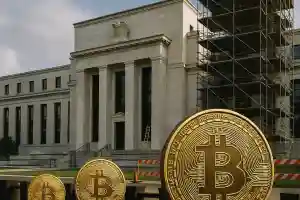
Federal Reserve Building's $2.5 Billion Renovation Raises Questions Amid Economic Uncertainty
Federal Reserve Faced With Backlash Over Expensive Renovation PlansThe Federal R...
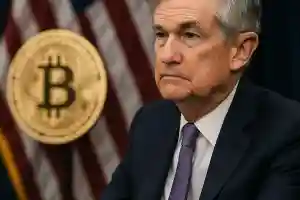
Federal Reserve Independence: Examining the Debate Around Powell and Monetary Policy
Mounting Pressure on the Federal Reserve and Its LeadershipAs the United States...

Meta Slashes 10% of Metaverse Division Amid Strategic Restructuring
Meta Reduces Reality Labs Headcount as Part of Broader Cost StrategyMeta, the pa...

Standard Chartered Prepares to Launch Crypto Prime Brokerage Platform
Standard Chartered Sets Sights on Crypto Prime Brokerage Service Standard Charte...

MicroStrategy Bolsters Bitcoin Holdings with Significant Purchase of 13,627 BTC
MicroStrategy Expands Bitcoin Holdings with Major AcquisitionMicroStrategy, a bu...

Solana’s Price Rebounds While Network Usage Remains Stagnant
Solana's Price Surges Amidst Subdued Network ActivitySolana (SOL), a leading sma...
Previous Posts

Japan Mandates Crypto Exchanges to Maintain Hacker Liability Reserves
Japan Strengthens Crypto Exchange Regulations in Response to Security RisksJapan...

Binance Faces Fresh Legal Scrutiny Over Alleged Terrorism-Linked Transactions
Binance Confronts New Lawsuit Over Alleged Terrorist TransactionsThe world’s lar...

Binance Faces New Legal Challenge Over Alleged Links to Hamas Transactions
Introduction: Binance Under Legal Scrutiny AgainBinance, one of the world's larg...

Google Reverses Bitcoin Advertising Ban Amid Policy Shift
Google Revises Cryptocurrency Ad PolicyIn a noteworthy development for the digit...

XRP Faces Steep Decline: Analyzing Factors Behind the Crash Below $0.50
Introduction: XRP Enters Sharp DowntrendThe price of XRP, the digital asset tied...

XGRAM Debuts Personalized Manager Support for High-Value Crypto Swaps
Introduction: A New Benchmark in Crypto Swap SupportIn a significant development...

Ethereum's Price Faces Crucial Turning Point as Network Profitability Hits Cycle Low
Ethereum Poised for Price Bottom as Network Losses DeepenEthereum, the leading s...

Crypto Dispensers Considers $100 Million Sale Following Founder’s Legal Troubles
Crypto Dispensers Eyes $100 Million Sale Amid CEO's Legal ChallengesLeading U.S....

Cardano Network Recovering After Malicious Transaction Temporarily Disrupts Chain
Cardano Faces Short-Lived Disruption After Malicious Transaction AttackThe Carda...
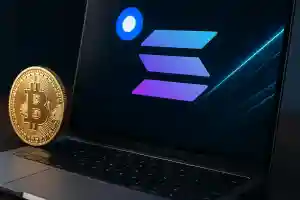
Coinbase Boosts Solana Network Performance with High-Speed Vector Integration
Coinbase Enhances Solana Functionality with Advanced Vector IntegrationCoinbase,...
Next Posts

Ethereum Explores Distributed Block Building to Strengthen Censorship Resistance
Ethereum Charts Path Toward Greater Censorship ResistanceLeaders within the Ethe...
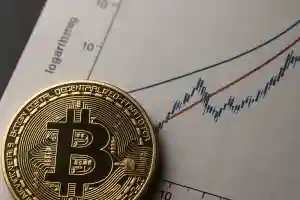
Bitcoin’s Four-Year Cycle and Power Law Suggest Predictable Market Movements Ahead
Bitcoin’s Market Movements Aligned with Historic Four-Year CycleThe cryptocurren...

Stablecoin Payment Cards Set for Rapid Growth by 2026, Report Predicts
Stablecoin Cards Poised for Breakthrough by 2026A recent report by crypto invest...

Bitcoin Technical Indicators Signal Bullish Momentum Amid $90K Price Battle
Bitcoin Approaches $90,000 as Technical Indicators Signal Renewed BullishnessBit...

Bitcoin Stays Resilient Near $91,000 as Investors Watch U.S. Jobs Data and Geopolitical Tensions
Bitcoin Holds Steady Around $91,000 Amid Market UncertaintyBitcoin maintained a...

TrueBit Token Plummets Following Exploit and Sudden Token Minting
TrueBit Suffers Exploit: Price Drops as Hacker Mints Millions of TokensThe decen...

Truebit Token Plummets After Alleged $5.9 Million Exploit and Rapid Minting Bug
Truebit Faces Crisis After Multi-Million Dollar Token ExploitThe decentralized c...

XRP Emerges as 2024’s Top Cryptocurrency Contender After Impressive Early Surge
XRP Takes Center Stage in the 2024 Cryptocurrency LandscapeAs 2024 unfolds, XRP...

XRP Emerges as 2024’s Breakout Cryptocurrency, Capturing Investor Attention
XRP Takes Center Stage After a Strong Start in 2024XRP, the digital asset native...

Bitcoin Whales and Sharks Accumulate as Bulls Bank on Price Recovery
Bitcoin Heavyweights Boost Holdings Amid Market CorrectionLarge-scale Bitcoin in...