Terraform Labs Founder Do Kwon Receives 15-Year Prison Sentence for Crypto Scheme
 11 Dec 25
Do Kwon Sentenced to 15 Years for Terraform Labs Crypto Fraud
In a case drawing global attention to cryptocurrency regulation and accountability, Do Kwon, the co-founder of Terraform Labs and the principal developer behind the Terra blockchain, has received a 15-year prison sentence in Montenegro. The verdict marks one of the most significant convictions in the burgeoning world of digital assets, highlighting the mounting legal scrutiny facing crypto entrepreneurs worldwide.
The Background: Terraform Labs and the Collapse of Terra
Terraform Labs, headquartered in Singapore, became a prominent player in the crypto industry for creating TerraUSD (UST), a so-called algorithmic stablecoin designed to maintain parity with the US dollar through intricate financial engineering alongside the sister token LUNA. The scheme attracted significant retail and institutional investment, propelling both tokens to multi-billion-dollar valuations in 2021 and early 2022.
However, in May 2022, the entire ecosystem imploded. The destabilization of UST led to a catastrophic chain reaction, erasing an estimated $40 billion in market value in a matter of days. The collapse rippled throughout the wider crypto market, leaving countless investors with significant losses and prompting calls for improved regulatory oversight of digital assets.
Do Kwon’s Legal Troubles in Montenegro
Following the collapse, Do Kwon became the subject of multiple international investigations. South Korean authorities charged him with violating capital market laws, while the United States opened a separate criminal case. Kwon had eluded arrest for months before being detained in Montenegro, allegedly attempting to travel with falsified documents.
Montenegro began criminal proceedings against Kwon and his associate, Han Chang-Joon, charging them with using forged travel documents, a crime under Montenegrin law. These charges resulted in a lengthy trial culminating in the 15-year sentence.
Scope of the Fraud and Judicial Reasoning
The Montenegrin court detailed the extent of Kwon’s offenses, emphasizing the breadth of his fraudulent activities and the international ramifications of the Terraform collapse. Prosecutors asserted that Kwon, through his leadership at Terraform Labs, had intentionally misled investors about the stability and risk profile of TerraUSD and LUNA, even as internal documentation signaled an impending financial unraveling.
The trial highlighted evidence including falsified business records and fraudulent presentations made to lenders and regulators. Authorities concluded that Kwon's actions not only breached Montenegrin law but contributed to widespread financial harm across several jurisdictions.
Global Legal Implications and Ongoing Extradition Efforts
The sentencing does not put an end to Kwon’s legal troubles. Both South Korean and United States authorities have filed for his extradition, reflecting the cross-border legal complexities now inherent to cryptocurrency enforcement. The court in Montenegro will determine which country, if any, will first receive Kwon to face additional charges.
The ongoing extradition debate is closely watched by regulators and legal experts, as it could set a precedent for how international cases involving crypto crimes are handled in the future. Each jurisdiction presents Kwon with potentially severe penalties if convicted on charges ranging from securities fraud to violations of capital market regulations.
Wider Impact on the Crypto Industry
The high-profile conviction of a cryptocurrency founder represents a watershed moment for the digital asset sector. According to market observers, the outcome is likely to encourage regulators to scrutinize similar projects and push exchanges and developers to improve transparency and investor protection mechanisms.
Some industry participants see the sentence as a warning sign, prompting a closer examination of how algorithmic stablecoins operate and the risks inherent in decentralized finance. It also exposes the vulnerabilities of opaque tokenomics, especially when ecosystems rely on speculative or unsustainable mechanisms to maintain asset pegs.
Investor Responses and Market Reaction
The Terra collapse and Kwon’s subsequent conviction have spurred investors to demand more robust due diligence and the adoption of standardized risk disclosures for crypto projects. Affected users continue to lobby for compensation, though the path to any financial restitution remains uncertain given the complex bankruptcy proceedings at Terraform Labs.
The Road Ahead: Regulatory Responses and Industry Lessons
As nations grapple with how best to oversee digital assets, the Kwon case has amplified calls for international cooperation in regulating cryptocurrencies. Lawmakers in nations impacted by the Terra collapse have advanced proposals for stricter frameworks governing stablecoin operations and greater coordination among enforcement agencies.
Key stakeholders in the cryptocurrency ecosystem—including wallet providers, exchanges, and protocol developers—are re-evaluating risk assessment models and legal compliance strategies in light of this case. Some analysts argue that proactive engagement with regulators and improved transparency will be essential for avoiding similar crises in the future.
Conclusion
Do Kwon’s 15-year sentence in Montenegro for his role in one of the largest frauds in cryptocurrency history underscores the growing willingness of global authorities to pursue and prosecute those responsible for financial misconduct in the digital asset sector. As the legal drama continues, the case is likely to influence not just policies but also public perception of cryptocurrency and the businesses that support it.
For more information on the original collapse and the ongoing legal proceedings, see coverage by reputable industry sources such as CoinDesk and statements from regulatory bodies.
Share On
Start Solo Mining For Free!
Go HereRecents

How Regulatory Pressure is Transforming Bitcoin's Market Cycles
Introduction: The Four-Year Cycle No Longer Holds SwayBitcoin has long been reco...
Bitcoin Price Hovers Near $95,000 Amid Regulatory Uncertainty in US Crypto Market
Bitcoin Stalls Below $95K as US Crypto Bill Raises Market ConcernsBitcoin's pric...

Sui Mainnet Faces Unexpected Downtime, Halting On-Chain Transactions
Sui Blockchain Experiences Significant Mainnet DisruptionSui, a rising layer one...

NYC Token Faces Controversy After $2.5 Million Liquidity Withdrawal Sparks Rug Pull Accusations
NYC Token Under Fire as Major Liquidity Withdrawal Triggers Community AlarmThe N...
Federal Reserve Building's $2.5 Billion Renovation Raises Questions Amid Economic Uncertainty
Federal Reserve Faced With Backlash Over Expensive Renovation PlansThe Federal R...
Federal Reserve Independence: Examining the Debate Around Powell and Monetary Policy
Mounting Pressure on the Federal Reserve and Its LeadershipAs the United States...

Meta Slashes 10% of Metaverse Division Amid Strategic Restructuring
Meta Reduces Reality Labs Headcount as Part of Broader Cost StrategyMeta, the pa...

Standard Chartered Prepares to Launch Crypto Prime Brokerage Platform
Standard Chartered Sets Sights on Crypto Prime Brokerage Service Standard Charte...

MicroStrategy Bolsters Bitcoin Holdings with Significant Purchase of 13,627 BTC
MicroStrategy Expands Bitcoin Holdings with Major AcquisitionMicroStrategy, a bu...

Solana’s Price Rebounds While Network Usage Remains Stagnant
Solana's Price Surges Amidst Subdued Network ActivitySolana (SOL), a leading sma...
Previous Posts

Paxful Faces $7.5 Million in Penalties After Guilty Plea to U.S. Charges
Paxful Agrees to Plead Guilty in Landmark CasePeer-to-peer Bitcoin marketplace P...

Samourai Wallet Trial Sparks Debate Over Financial Privacy and Open-Source Rights
Overview: The Samourai Wallet Legal BattleThe recent prosecution of Samourai Wal...
Latest Developments Shake Up the Crypto Sector: Key Events and Market Insights
Overview: Major Events Impacting the Crypto LandscapeThe cryptocurrency sector c...

Boltz Launches Quantum-Resilient Technology Pilot to Safeguard $6 Trillion in Real-World Assets on Canton Network
Boltz Drives Quantum-Resilience on Canton Network to Secure Tokenized AssetsAs d...

Dogecoin Poised for Potential Upswing as Technical Indicators Strengthen
Dogecoin Approaches Critical Price Levels Amid Renewed OptimismDogecoin (DOGE),...

Ethereum’s Finality Vulnerability Raises Concerns: Vitalik Buterin Urges Bridge Security Reinforcement
Vitalik Buterin Flags Serious Ethereum Finality Bug in Wake of Expert WarningsEt...
Bitcoin Holds Steady at Key Support as Investors Wait on Crucial Fed Decision
Bitcoin Price Resilience Amid Fed Policy AnticipationBitcoin's price faced heigh...

Robinhood Targets Indonesia as Crypto Adoption Accelerates Across Southeast Asia
Robinhood Sets Sights on Indonesia’s Rising Crypto LandscapeInvestment platform...

Bittensor's First Halving: Charting the Transition to DeFi Maturity
Bittensor Begins New Era With Its First HalvingAs innovative crypto projects loo...

Dogecoin Celebrates 12 Years: How the Meme Coin Became a Crypto Icon
Dogecoin Turns 12: The Enduring Legacy of a Meme Coin PioneerDogecoin, one of th...
Next Posts

Ethereum Explores Distributed Block Building to Strengthen Censorship Resistance
Ethereum Charts Path Toward Greater Censorship ResistanceLeaders within the Ethe...
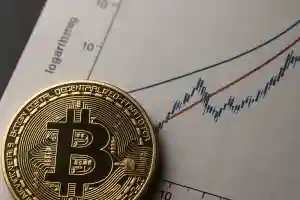
Bitcoin’s Four-Year Cycle and Power Law Suggest Predictable Market Movements Ahead
Bitcoin’s Market Movements Aligned with Historic Four-Year CycleThe cryptocurren...

Stablecoin Payment Cards Set for Rapid Growth by 2026, Report Predicts
Stablecoin Cards Poised for Breakthrough by 2026A recent report by crypto invest...

Bitcoin Technical Indicators Signal Bullish Momentum Amid $90K Price Battle
Bitcoin Approaches $90,000 as Technical Indicators Signal Renewed BullishnessBit...

Bitcoin Stays Resilient Near $91,000 as Investors Watch U.S. Jobs Data and Geopolitical Tensions
Bitcoin Holds Steady Around $91,000 Amid Market UncertaintyBitcoin maintained a...

TrueBit Token Plummets Following Exploit and Sudden Token Minting
TrueBit Suffers Exploit: Price Drops as Hacker Mints Millions of TokensThe decen...

Truebit Token Plummets After Alleged $5.9 Million Exploit and Rapid Minting Bug
Truebit Faces Crisis After Multi-Million Dollar Token ExploitThe decentralized c...

XRP Emerges as 2024’s Top Cryptocurrency Contender After Impressive Early Surge
XRP Takes Center Stage in the 2024 Cryptocurrency LandscapeAs 2024 unfolds, XRP...

XRP Emerges as 2024’s Breakout Cryptocurrency, Capturing Investor Attention
XRP Takes Center Stage After a Strong Start in 2024XRP, the digital asset native...

Bitcoin Whales and Sharks Accumulate as Bulls Bank on Price Recovery
Bitcoin Heavyweights Boost Holdings Amid Market CorrectionLarge-scale Bitcoin in...