Bitcoin Holds Steady Above $91,000 as Rate Cut Bets Drive Market Sentiment
 28 Nov 25
Bitcoin Maintains Strength Above $91,000
Bitcoin prices remained steady above the $91,000 mark on Friday, reflecting a resilient performance as cryptomarkets responded positively to prospects of U.S. monetary policy easing. The world's largest cryptocurrency stabilized after a brief recovery, as investor sentiment improved based on changing expectations for interest rates.
U.S. Interest Rate Outlook Influences Crypto Market
Recent signals from the U.S. Federal Reserve suggest an increasing likelihood of an interest rate reduction, leading to a surge in demand for risk-sensitive assets such as cryptocurrencies. The prospect of monetary easing has fueled bullishness, with analysts highlighting how lower rates typically bolster appetite for speculative instruments like Bitcoin.
Recovery Follows Sharp Volatility in Crypto Markets
Earlier this week, Bitcoin faced notable downward pressure, slipping from its record highs as a bout of profit-taking and macroeconomic concerns weighed on the market. The initial weakness was exacerbated by uncertainty over the Federal Reserve's next policy steps. However, the landscape shifted after economic indicators pointed to moderating inflation and slowing economic growth, heightening expectations of supportive measures from the central bank.
Futures Bets Signal Optimism
Market data indicates a marked increase in futures activity, reflecting investor positioning for potential rate cuts as early as September. This optimism comes after key U.S. inflation data registered slightly softer readings than anticipated, strengthening the case for monetary policy adjustment. These developments injected renewed confidence into the digital asset space and helped Bitcoin recapture ground around the $91,000 level.
Risk Appetite Grows Among Investors
The prospect of easier monetary policy has broadened risk appetite, not only for Bitcoin but also for other major cryptocurrencies. Ethereum, the second-largest digital currency, also saw improved traction following the Federal Reserve’s dovish tilt. The overall crypto market capitalization edged higher as investors reassessed the potential for further price advances in a more accommodating policy environment.
Fed Policy and Digital Asset Performance
Market watchers have emphasized the strong correlation between central bank actions and cryptocurrency valuations. A less aggressive stance from the Fed is generally perceived as a tailwind for risky assets, enabling capital inflows and fostering speculative momentum. Bitcoin’s recent resilience is thus intertwined with evolving expectations over the direction of U.S. policy rates.
Economic Indicators and Bitcoin’s Trajectory
Thursday’s inflation numbers, which showed moderation in consumer prices, were greeted by bulls seeking confirmation of a dovish policy shift. Meanwhile, employment figures and manufacturing data have signaled softness in certain areas of the economy, adding to the argument for a Fed rate cut. These macroeconomic conditions contributed to stabilizing Bitcoin after its earlier volatility.
Technical Signals and Market Psychology
Technical analysis suggests that Bitcoin found support above key price levels, reinforcing bullish sentiment among short-term traders. Analysts noted that the ability to hold above the psychologically important $91,000 threshold was a constructive sign, as it signaled conviction among buyers and limited downside risk in the immediate term.
Spot Bitcoin ETFs and Institutional Demand
The performance of spot Bitcoin exchange-traded funds (ETFs) has been closely watched as a barometer for institutional participation. While ETF flows fluctuated alongside price volatility, a recent stabilization is seen as indicative of longer-term interest among institutional players. Continued engagement from this segment could provide a stabilizing influence moving forward.
Broader Crypto Market Repercussions
The ripples from Bitcoin’s performance were felt across the digital asset landscape. Other established cryptocurrencies, such as Ethereum and Solana, experienced positive moves in tandem with the flagship token. The overall digital asset market held its ground as investors gauged the balance between macro risks and the potential for loose monetary conditions.
Looking Ahead: Market Uncertainties Persist
Despite the recent recovery, market participants remain attentive to incoming economic data and the Federal Reserve’s next moves. Further clarity on the timing and scale of potential rate cuts could shape the trajectory for Bitcoin and the wider crypto sector in the months ahead. As macroeconomic developments continue to unfold, many expect volatility to remain elevated.
Conclusion
Bitcoin’s ability to stay above the $91,000 mark amid shifting monetary policy expectations demonstrates the cryptocurrency’s ongoing sensitivity to macroeconomic signals. The interplay between Fed guidance, inflation readings, and broader risk appetite is likely to remain a key driver for digital assets heading into the second half of the year.
For more information on Bitcoin and cryptocurrency markets, readers can refer to Investing.com’s Bitcoin price page and major financial news sources.
Share On
Start Solo Mining For Free!
Go HereRecents

How Regulatory Pressure is Transforming Bitcoin's Market Cycles
Introduction: The Four-Year Cycle No Longer Holds SwayBitcoin has long been reco...

Bitcoin Price Hovers Near $95,000 Amid Regulatory Uncertainty in US Crypto Market
Bitcoin Stalls Below $95K as US Crypto Bill Raises Market ConcernsBitcoin's pric...

Sui Mainnet Faces Unexpected Downtime, Halting On-Chain Transactions
Sui Blockchain Experiences Significant Mainnet DisruptionSui, a rising layer one...

NYC Token Faces Controversy After $2.5 Million Liquidity Withdrawal Sparks Rug Pull Accusations
NYC Token Under Fire as Major Liquidity Withdrawal Triggers Community AlarmThe N...

Federal Reserve Building's $2.5 Billion Renovation Raises Questions Amid Economic Uncertainty
Federal Reserve Faced With Backlash Over Expensive Renovation PlansThe Federal R...
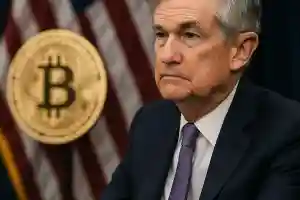
Federal Reserve Independence: Examining the Debate Around Powell and Monetary Policy
Mounting Pressure on the Federal Reserve and Its LeadershipAs the United States...

Meta Slashes 10% of Metaverse Division Amid Strategic Restructuring
Meta Reduces Reality Labs Headcount as Part of Broader Cost StrategyMeta, the pa...

Standard Chartered Prepares to Launch Crypto Prime Brokerage Platform
Standard Chartered Sets Sights on Crypto Prime Brokerage Service Standard Charte...

MicroStrategy Bolsters Bitcoin Holdings with Significant Purchase of 13,627 BTC
MicroStrategy Expands Bitcoin Holdings with Major AcquisitionMicroStrategy, a bu...

Solana’s Price Rebounds While Network Usage Remains Stagnant
Solana's Price Surges Amidst Subdued Network ActivitySolana (SOL), a leading sma...
Previous Posts

Cathie Wood Maintains $1.5M Bitcoin Price Prediction as Market Rebounds
ARK Invest's Cathie Wood Reaffirms $1.5 Million Bitcoin ForecastCathie Wood, CEO...

Swiss Banks Pioneer Cross-Border Payments Using Blockchain on Google Cloud
Swiss Financial Institutions Break New Ground with Blockchain Payments on Google...

Major Crypto Exchanges Press SEC to Limit Broad Digital Asset Exemptions
Global Exchanges Challenge SEC on Broad Cryptocurrency ExemptionsLeading cryptoc...

PrimeXBT Unveils Black Friday Deal: 77% Reduction on Bitcoin Trading Fees
PrimeXBT Launches Massive Black Friday Discount for Bitcoin Traders PrimeXBT, a...

Former Trump Advisor Hints at Pro-Crypto Federal Reserve Nominee if Trump Wins 2024
Trump Campaign May Nominate Crypto-Friendly Federal Reserve ChairThe trajectory...

Deribit’s $13 Billion Bitcoin Options Expiry Set to Influence Short-Term Market Dynamics
Major Bitcoin Options Expiry Looms Over Crypto MarketsOn June 28, 2024, the cryp...

Pump.fun Co-Founder Refutes $436M Cashout Claims, Cites Standard Treasury Practices
Pump.fun Founder Rebuts Multimillion-Dollar Cashout AccusationsThe decentralized...

Japan Mandates Crypto Exchanges to Maintain Hacker Liability Reserves
Japan Strengthens Crypto Exchange Regulations in Response to Security RisksJapan...

Binance Faces Fresh Legal Scrutiny Over Alleged Terrorism-Linked Transactions
Binance Confronts New Lawsuit Over Alleged Terrorist TransactionsThe world’s lar...

Binance Faces New Legal Challenge Over Alleged Links to Hamas Transactions
Introduction: Binance Under Legal Scrutiny AgainBinance, one of the world's larg...
Next Posts

Ethereum Explores Distributed Block Building to Strengthen Censorship Resistance
Ethereum Charts Path Toward Greater Censorship ResistanceLeaders within the Ethe...

Bitcoin’s Four-Year Cycle and Power Law Suggest Predictable Market Movements Ahead
Bitcoin’s Market Movements Aligned with Historic Four-Year CycleThe cryptocurren...

Stablecoin Payment Cards Set for Rapid Growth by 2026, Report Predicts
Stablecoin Cards Poised for Breakthrough by 2026A recent report by crypto invest...

Bitcoin Technical Indicators Signal Bullish Momentum Amid $90K Price Battle
Bitcoin Approaches $90,000 as Technical Indicators Signal Renewed BullishnessBit...

Bitcoin Stays Resilient Near $91,000 as Investors Watch U.S. Jobs Data and Geopolitical Tensions
Bitcoin Holds Steady Around $91,000 Amid Market UncertaintyBitcoin maintained a...

TrueBit Token Plummets Following Exploit and Sudden Token Minting
TrueBit Suffers Exploit: Price Drops as Hacker Mints Millions of TokensThe decen...

Truebit Token Plummets After Alleged $5.9 Million Exploit and Rapid Minting Bug
Truebit Faces Crisis After Multi-Million Dollar Token ExploitThe decentralized c...

XRP Emerges as 2024’s Top Cryptocurrency Contender After Impressive Early Surge
XRP Takes Center Stage in the 2024 Cryptocurrency LandscapeAs 2024 unfolds, XRP...

XRP Emerges as 2024’s Breakout Cryptocurrency, Capturing Investor Attention
XRP Takes Center Stage After a Strong Start in 2024XRP, the digital asset native...

Bitcoin Whales and Sharks Accumulate as Bulls Bank on Price Recovery
Bitcoin Heavyweights Boost Holdings Amid Market CorrectionLarge-scale Bitcoin in...