Bitcoin Drops Sharply to $58K Amid Yearn Finance Pool Breach, Rattling Crypto Markets
 01 Dec 25
Bitcoin Experiences Sharp Decline Following DeFi Security Incident
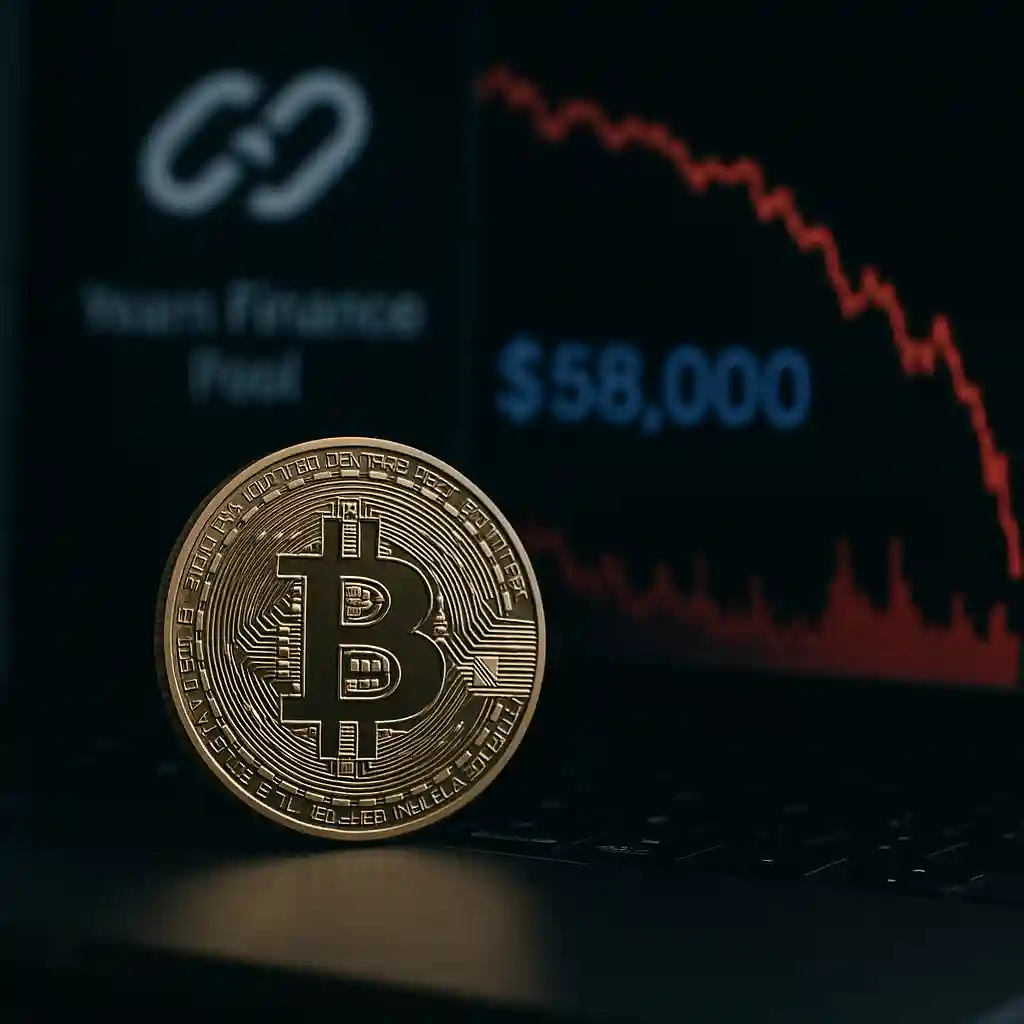
Bitcoin's value fell sharply on Thursday, briefly touching $58,000, in a dramatic move influenced by heightened volatility across the cryptocurrency sector. The market downturn was catalyzed by a significant security breach involving Yearn Finance, sending shockwaves through decentralized finance platforms and prompting wider investor anxiety.
Yearn Finance Breach Sparks Broader Crypto Turmoil
On Thursday, blockchain security firm CertiK reported a major breach of a Yearn Finance liquidity pool. The exploit targeted one of the decentralized protocol's pools, with an attacker reportedly draining substantial digital assets. News of the breach quickly spread through the community, resulting in steep losses not only for Yearn Finance but also for major cryptocurrencies, including Bitcoin.
According to CertiK, the exploit on the Yearn platform involved the draining of funds from one of its oldest pools, not previously updated to current standards. Early estimates suggest that at least $10 million worth of assets may have been affected. Yearn Finance's governance token YFI plummeted by 10% following the news, deepening investor concerns across the sector.
Bitcoin Plunges Below Key Support
Following the Yearn Finance breach, Bitcoin's price dropped rapidly, reaching $58,000 — its lowest level in more than a month. Prior to the incident, Bitcoin had already been trending downward amid uncertain market conditions. The breach exacerbated nervousness among traders, leading to swift liquidations and amplified volatility.
Bitcoin's tumble was accompanied by similar price declines in other leading digital assets. Ethereum, for example, tracked lower alongside Bitcoin, highlighting how security vulnerabilities in one area of the decentralized ecosystem can quickly affect overall market sentiment.
DeFi Security Concerns Intensify
The Yearn Finance breach has sharpened focus on the security posture of decentralized finance platforms. While DeFi protocols offer opportunities for innovation and yield generation, they have also become prime targets for sophisticated cyberattacks and exploits.
Yearn Finance, which has long been seen as a leader in the DeFi space, now faces questions regarding the update and security of its older pools. Security analysts noted that the impacted pool had not been brought in line with more recent safety protocols, leaving it exposed to exploitation.
Industry Reactions and Mitigation
Security professionals emphasized that regular maintenance and comprehensive audits are crucial for DeFi systems. In response, several platforms have urged users to withdraw funds from outdated or vulnerable pools and promised renewed efforts to enhance audit procedures.
Investor Sentiment and Market Response
The latest breach has fueled heightened risk aversion among crypto investors. Bitcoin's rapid descent underscores how quickly market sentiment can shift in reaction to bad news. Data from major exchanges showed an uptick in Bitcoin outflows as holders moved funds to self-custody wallets or liquidated positions to limit further losses.
Despite the negative headlines, some experts view this correction as part of a maturing process for the digital asset space. Episodes like the Yearn breach shed light on existing vulnerabilities and may accelerate the adoption of stronger industry standards over time.
Looking Ahead: Calls for Stronger Security in Crypto
The fallout from the latest incident places renewed attention on the need for robust security practices across decentralized platforms. Teams behind major DeFi protocols are being urged to continuously upgrade systems, patch vulnerabilities, and maintain transparency with their communities.
As Bitcoin and other cryptocurrencies continue to weather volatility, market participants are watching closely for further developments. Regulatory discussions may intensify as authorities assess the risks and challenges associated with rapidly evolving financial technologies.
Conclusion
The abrupt decline in Bitcoin's price underscores the interconnectedness of the crypto ecosystem and the outsized role of security in maintaining investor confidence. As the industry confronts the lessons of the Yearn Finance pool breach, the focus on safeguarding digital assets is expected to remain at the forefront of developer and regulatory agendas alike. For now, market observers are bracing for continued fluctuations as the sector adapts to new realities and works to restore stability.
Share On
Start Solo Mining For Free!
Go HereRecents

How Regulatory Pressure is Transforming Bitcoin's Market Cycles
Introduction: The Four-Year Cycle No Longer Holds SwayBitcoin has long been reco...

Bitcoin Price Hovers Near $95,000 Amid Regulatory Uncertainty in US Crypto Market
Bitcoin Stalls Below $95K as US Crypto Bill Raises Market ConcernsBitcoin's pric...

Sui Mainnet Faces Unexpected Downtime, Halting On-Chain Transactions
Sui Blockchain Experiences Significant Mainnet DisruptionSui, a rising layer one...

NYC Token Faces Controversy After $2.5 Million Liquidity Withdrawal Sparks Rug Pull Accusations
NYC Token Under Fire as Major Liquidity Withdrawal Triggers Community AlarmThe N...

Federal Reserve Building's $2.5 Billion Renovation Raises Questions Amid Economic Uncertainty
Federal Reserve Faced With Backlash Over Expensive Renovation PlansThe Federal R...

Federal Reserve Independence: Examining the Debate Around Powell and Monetary Policy
Mounting Pressure on the Federal Reserve and Its LeadershipAs the United States...

Meta Slashes 10% of Metaverse Division Amid Strategic Restructuring
Meta Reduces Reality Labs Headcount as Part of Broader Cost StrategyMeta, the pa...

Standard Chartered Prepares to Launch Crypto Prime Brokerage Platform
Standard Chartered Sets Sights on Crypto Prime Brokerage Service Standard Charte...

MicroStrategy Bolsters Bitcoin Holdings with Significant Purchase of 13,627 BTC
MicroStrategy Expands Bitcoin Holdings with Major AcquisitionMicroStrategy, a bu...

Solana’s Price Rebounds While Network Usage Remains Stagnant
Solana's Price Surges Amidst Subdued Network ActivitySolana (SOL), a leading sma...
Previous Posts

Cryptocurrency Market Watch: Key Updates and Trends Shaping the Digital Asset Ecosystem
Market Sentiment: Bitcoin Holds, Altcoins StumbleToday, the cryptocurrency secto...

XRP's Volatile Performance in November and rLUSD Expansion Stir Debate in Crypto Community
XRP Navigates Volatility Amidst rLUSD Launch and Market UncertaintyThe cryptocur...

XRP's Recent Gains Stir Market Debate as RLUSD Expansion Highlights Strategic Shifts
XRP’s November Rally: Growth and UncertaintyThe cryptocurrency market has witnes...

Bitcoin's Net Profit and Loss Ratio Resets to Neutral: Implications for Market Stability and Future Price Movements
Introduction: Evaluating Bitcoin's Net Profit and Loss RatioThe cryptocurrency m...

EOS Surges Over 15%: Market Rally Signals Renewed Momentum
EOS Records Significant Gains Amidst Crypto Market RallyOn Wednesday, EOS experi...

Turkmenistan Embraces Digital Currency with Comprehensive 2026 Virtual Asset Law
Turkmenistan Passes Major Virtual Asset Legislation for 2026In a landmark move s...

El Salvador Leverages Bitcoin Blockchain to Secure Government Records With Simple Proof Partnership
El Salvador Integrates Bitcoin Blockchain for Document AuthenticationEl Salvador...

Monero and Zcash Chart Diverging Paths as Privacy Coins Weather Volatility
Privacy Coins Face Divergence During a Volatile WeekThis past week, the privacy-...

Solana Faces Critical Resistance as Investors Weigh ETF Prospects and Market Shifts
Solana Encounters Pivotal Resistance amid ETF Speculation and OutflowsSolana (SO...

Bitcoin Holds Steady Above $91,000 as Rate Cut Bets Drive Market Sentiment
Bitcoin Maintains Strength Above $91,000Bitcoin prices remained steady above the...
Next Posts

Ethereum Explores Distributed Block Building to Strengthen Censorship Resistance
Ethereum Charts Path Toward Greater Censorship ResistanceLeaders within the Ethe...

Bitcoin’s Four-Year Cycle and Power Law Suggest Predictable Market Movements Ahead
Bitcoin’s Market Movements Aligned with Historic Four-Year CycleThe cryptocurren...

Stablecoin Payment Cards Set for Rapid Growth by 2026, Report Predicts
Stablecoin Cards Poised for Breakthrough by 2026A recent report by crypto invest...

Bitcoin Technical Indicators Signal Bullish Momentum Amid $90K Price Battle
Bitcoin Approaches $90,000 as Technical Indicators Signal Renewed BullishnessBit...

Bitcoin Stays Resilient Near $91,000 as Investors Watch U.S. Jobs Data and Geopolitical Tensions
Bitcoin Holds Steady Around $91,000 Amid Market UncertaintyBitcoin maintained a...

TrueBit Token Plummets Following Exploit and Sudden Token Minting
TrueBit Suffers Exploit: Price Drops as Hacker Mints Millions of TokensThe decen...

Truebit Token Plummets After Alleged $5.9 Million Exploit and Rapid Minting Bug
Truebit Faces Crisis After Multi-Million Dollar Token ExploitThe decentralized c...

XRP Emerges as 2024’s Top Cryptocurrency Contender After Impressive Early Surge
XRP Takes Center Stage in the 2024 Cryptocurrency LandscapeAs 2024 unfolds, XRP...

XRP Emerges as 2024’s Breakout Cryptocurrency, Capturing Investor Attention
XRP Takes Center Stage After a Strong Start in 2024XRP, the digital asset native...

Bitcoin Whales and Sharks Accumulate as Bulls Bank on Price Recovery
Bitcoin Heavyweights Boost Holdings Amid Market CorrectionLarge-scale Bitcoin in...